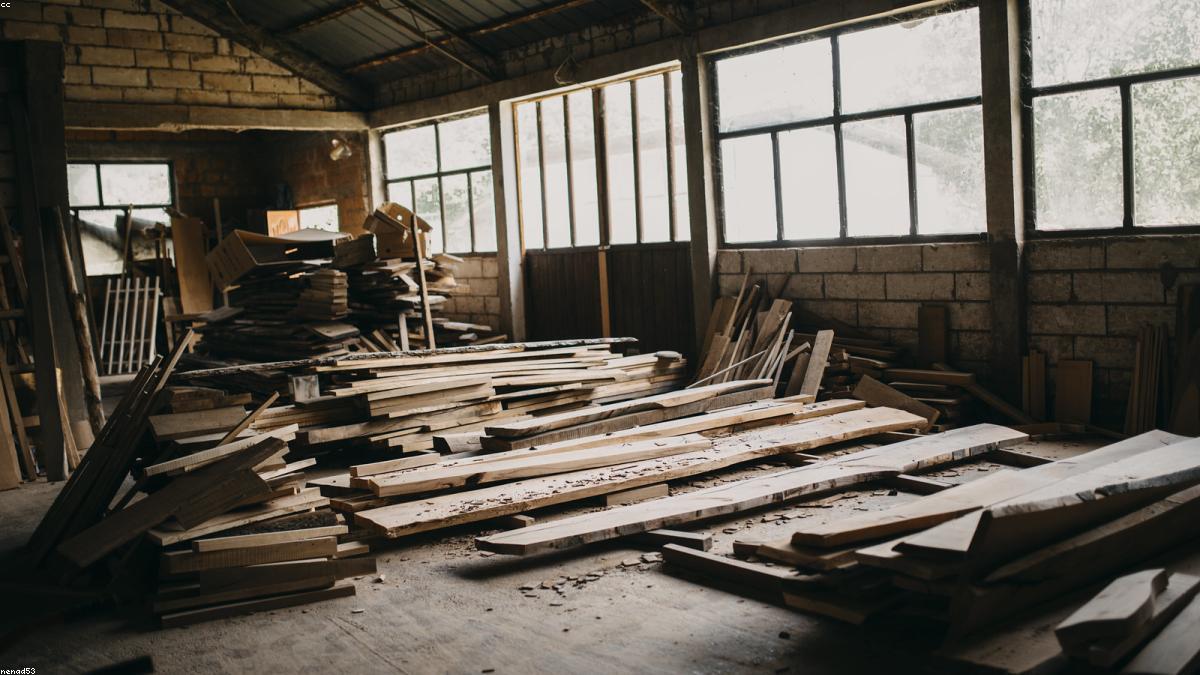
There is a particular kind of Philippine furniture that gets thrown out every week and shouldn’t be: solid narra dining sets, rattan lounge chairs from the seventies, mahogany aparadors built by someone’s lolo. Pieces made from hardwood that is now expensive and, in narra’s case, protected. Restoring them is satisfying work, and in a market where a new hardwood dining set runs well into six figures, it is also genuinely profitable. This is how to find those pieces, bring them back, and price them properly — in a climate that fights you the whole way.
Why second-hand hardwood is worth more than it used to be
Three things happened at once. New furniture got cheaper and worse — particleboard with a printed veneer, assembled with cam locks, structurally finished after five years. Solid Philippine hardwood got scarcer and more regulated. And a generation of buyers decided that a piece with history in it beats a flat-pack box.
The result is that a battered narra dining table on a Facebook Marketplace listing for ₱4,000 can be worth ₱18,000 to ₱30,000 restored, depending on the piece and the buyer. That gap is the entire business. It exists because most people cannot see past the water rings, the loose joints and the orange varnish someone applied in 1994.

What is worth restoring — and what is firewood
Learning to walk away is the skill that makes this profitable. Check these, in order:
- Is the frame solid? Push a chair sideways and a table diagonally. Loose joints are fine — they are expected and fixable. A cracked or split structural member is a different job entirely.
- Is it actually hardwood? Lift it. Hardwood is heavy in a way that surprises people. Look at an unfinished underside: real grain runs continuously and unpredictably; a printed veneer repeats.
- How bad is the termite damage? Tap the piece and listen. Hollow sounds and small round exit holes with fine powder mean active or recent infestation. Surface damage on a thick leg is survivable. Honeycombed structure is not.
- Are the parts all there? A missing drawer pull is nothing. A missing carved apron on a hand-made aparador means a woodcarver, and the maths usually stops working.
- Can you move it? A solid narra wardrobe on the third floor of a walk-up in Sampaloc is a different proposition from the same wardrobe in a ground-floor garage.
Knowing your Philippine hardwoods
Narra is the prize. Deep reddish-brown to golden, with a distinctive interlocking grain and a faint sweet smell when freshly cut or sanded. It is the national tree and is protected, which means legally traded narra furniture is almost entirely old stock — and that is exactly why restoring existing pieces has value rather than being merely thrifty.
Molave is pale yellow-brown, extremely dense and famously durable; it turns up in older structural furniture and church pieces. Kamagong (Philippine ebony) is nearly black, very heavy, and usually appears as accents or small items rather than whole pieces. Acacia is common, attractive, with dramatic wide grain, and is what most mid-range “solid wood” furniture actually is. Rattan is not a hardwood at all but a climbing palm, and it has its own repertoire of repairs.
You do not need to be a botanist. You need to be able to tell hardwood from veneered board, and to recognise narra when you see it, because that is the difference between a ₱6,000 flip and a ₱25,000 one.
The tropical problem: humidity, termites and mould
Restoration guides written for temperate climates will lead you astray here, because they assume conditions we do not have.
Humidity in Metro Manila sits between 70 and 85 per cent for much of the year. Water-based finishes take far longer to cure than the tin says, and applying a second coat before the first has properly dried gives you a soft, cloudy finish that never fully hardens. Work in the drier months if you can — roughly January through April — and if you must work in the wet season, use an electric fan for air movement and add curing time rather than trusting the label.
Termites need treating before you refinish, not after. Anay damage that looks dormant frequently is not. Treat the bare wood with a borate solution before any finish goes on; sealing live termites under a fresh coat of lacquer buys you a beautiful piece that fails in a year and destroys your reputation with the buyer.
Mould shows up as grey or black bloom, especially on pieces stored in closed rooms. Clean with a diluted bleach solution, rinse, and — critically — let it dry completely before doing anything else. Trapped moisture is the most common cause of a restoration that looks perfect for two months and then goes cloudy.

Tools and materials, and where to buy them
You can start with less than ₱8,000 of equipment:
- Orbital sander plus sandpaper in 80, 120, 180 and 240 grit. The single biggest time-saver you will buy.
- Paint stripper or heat gun for old varnish. Chemical stripper is slower and safer for detailed carving; a heat gun is faster on flat surfaces.
- Scrapers, chisels, and a rubber mallet for joints and stubborn finish.
- Wood glue — PVA for general joinery — and clamps. You will always want more clamps than you own.
- Wood stain and finish. Oil-based polyurethane is forgiving and durable; tung or Danish oil gives a softer, more natural look that suits narra beautifully.
- Borate termite treatment, a mask, and gloves. Not optional.
Raon and the Quiapo hardware strip in Manila, the Cartimar area, and the larger Ace and Wilcon branches all carry what you need. For volume sandpaper and consumables, buying from a hardware supplier rather than a home-centre chain roughly halves your cost.
The restoration itself, step by step
1. Assess and photograph. Shoot the piece before you touch it. Before-and-after images are your most persuasive sales asset, and you cannot go back and take them later.
2. Disassemble what comes apart. Remove drawers, doors, hardware. Bag the screws and label them. Old hardware is often worth cleaning and reusing — solid brass pulls are a selling point.
3. Strip the old finish. Most Philippine second-hand furniture carries a thick orange or dark varnish that hides the actual grain. Removing it is where the transformation happens; buyers are frequently astonished at what was underneath.
4. Repair and treat. Re-glue loose joints under clamps and let them cure a full 24 hours. Fill holes with matched wood filler. Apply borate treatment to bare wood and let it dry thoroughly.
5. Sand progressively. 80 grit for stripping remnants and levelling, 120 to smooth, 180 to refine, 240 to finish. Do not skip grits — each one removes the scratches of the last, and jumping straight to fine paper leaves marks that only appear once the stain goes on.
6. Stain if needed. Good narra rarely needs it. Acacia and mahogany often benefit. Always test on an unseen area first, because the same stain reads very differently on different woods.
7. Finish in thin coats. Two or three thin coats beat one thick one, every time. Sand lightly with 320 grit between coats. Allow generous drying time for our humidity.
8. Reassemble and detail. Refit cleaned hardware, wax if you want extra depth, and give everything a final wipe.
Rattan and wicker repairs
Rattan is everywhere in Philippine homes and it fails predictably: broken binding at the joints, sagging or split cane webbing, and dryness from years of aircon or sun. Binding is repaired with new rattan strips soaked in water until pliable, then wrapped and glued. Cane webbing panels can be bought pre-woven, soaked, and pressed into the routed groove with a spline. Dry, brittle rattan responds well to a light oil to restore flexibility before you work it. Rattan restoration is fiddly but requires almost no equipment, which makes it a good place to start.
What restored pieces actually sell for
Rough Metro Manila ranges as of 2026, for well-executed work:
- Narra dining set (table plus six chairs): ₱25,000 – ₱60,000 depending on size, carving and condition.
- Narra or mahogany aparador: ₱15,000 – ₱40,000. Antique carved examples go higher.
- Rattan lounge chair, restored and re-cushioned: ₱4,000 – ₱9,000.
- Solid wood side table or console: ₱3,000 – ₱12,000.
- Mid-century-style wooden chair, per piece: ₱2,500 – ₱6,000.
Your realistic margin after materials and time is 50 to 70 per cent of the sale price on pieces you sourced well. The variable that moves it most is not your skill — it is your buying. Restorers who make money are disciplined about what they refuse to buy.
Photographing furniture so it sells
Shoot in indirect natural daylight, near a window or in open shade outdoors, never under fluorescent light — it makes warm hardwood look grey and dead. Use a plain background, even if it is just a bedsheet on a wall. Take the full piece from a slight angle, a straight-on shot, a close-up of the grain, a detail of any carving or hardware, and one honest photograph of any remaining flaw. And always post the before shot alongside the after; the transformation is what people share, and shared listings are free reach.
Frequently asked questions
Is it legal to sell restored narra furniture in the Philippines?
Selling existing narra furniture is legal. What is restricted is the cutting and trade of narra timber. Restoring and reselling furniture that already exists is exactly the kind of reuse the restriction is meant to encourage. Keep any provenance you have, particularly for antique pieces.
How much does it cost to start restoring furniture?
Around ₱8,000 to ₱12,000 for a basic tool set and initial consumables, plus whatever you spend on your first piece. Many people start with a single ₱3,000 chair to learn on before committing further.
How long does one piece take?
A chair takes a weekend. A dining table takes one to two weeks of evenings, mostly because of drying and curing time rather than active work. Humidity extends everything — build the wait into your planning rather than rushing coats.
Where do I find furniture worth restoring?
Estate and moving sales, Facebook Marketplace and local buy-and-sell groups, ukay furniture stalls, provincial antique dealers, and hotel or office liquidations. The best pieces usually come from families clearing an inherited house, which is why watching local community groups pays off.
Do I need to register a business to sell restored furniture?
Occasional sales of your own items generally do not require it. Once you are buying to resell regularly and advertising, you are trading — register with DTI, which is inexpensive and lets you list, invoice and advertise properly.
The takeaway
Furniture restoration in the Philippines works because we have decades of genuinely good hardwood furniture sitting in houses, being judged on its finish rather than its bones. Learn to read a piece, buy only what is structurally sound, respect the humidity and the termites, and finish patiently. The craft is learnable in a few months; the discipline of walking away from bad stock is what turns it into income. Browse furniture listings on Search Hub to see what is selling near you.