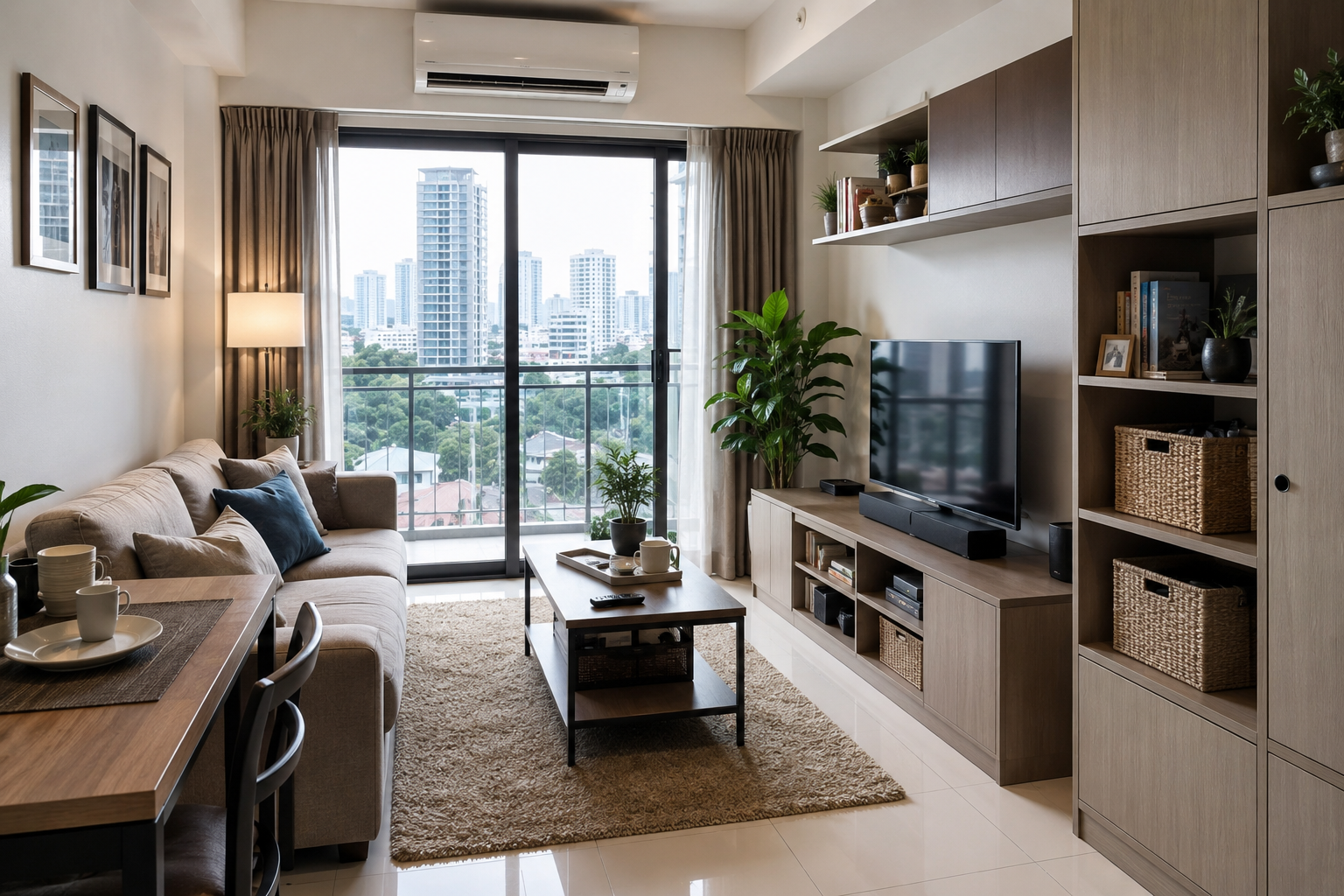
Buying furniture online has never been easier — or more overwhelming. From brand-new sofas shipped to your door to second-hand gems from local sellers, the choice is huge, and so is the risk of a costly mistake. A wrong-sized couch or a flimsy table you can’t return is no fun. This complete 2026 guide walks you through how to buy furniture online with confidence, get great value, and avoid the common pitfalls — whether you’re shopping new or pre-loved.
New vs. second-hand: which is right for you?
Your first decision is new or used. New furniture gives you exactly what you want, with warranties and easy returns — but at full price. Second-hand furniture, from local marketplaces and directories, is dramatically cheaper and often better made than budget new pieces, and it’s the greener choice. The trade-off is that you’ll usually collect it yourself and can’t return it. For big, solid items like wooden tables, dressers, and quality sofas, used is often the smartest buy; for mattresses and anything where hygiene or a guarantee matters, new is safer.
For solid items, second-hand furniture is often the smartest buy.
Measure everything before you buy
The number-one online furniture mistake is size. A sofa that looks perfect on screen can be too big for your room — or too big to fit through your door. Before buying anything, measure your space, the spot the piece will go, and every doorway, hallway, and stairwell it must pass through. Compare those numbers to the item’s listed dimensions. This five-minute habit saves you from the heartbreak of a beautiful piece that simply won’t fit, which is especially important with used items you can’t return.
Judge quality from photos and descriptions
You can’t touch furniture online, so learn to read it. Ask for or look for clear photos in good light from multiple angles, including any flaws. Check the materials — solid wood and quality frames last far longer than particleboard. Read reviews for new items, and for used ones, message the seller with specific questions about age, condition, and any damage. Good sellers answer readily; vague answers or refusal to send more photos is a red flag. A little diligence tells you whether that bargain is a treasure or trouble.
Measure your space and doorways before you buy anything.
Buy safely and plan delivery
Protect yourself on the transaction. For new furniture, buy from reputable retailers with clear return policies. For local second-hand buys, use secure payment or safe in-person meetups, inspect the piece before handing over money, and be wary of deals that seem too good to be true. Then plan the practical part: how will it get home? Factor in delivery costs for new items, or a van and an extra pair of hands for large used pieces. Sorting delivery before you buy avoids nasty surprises — and a listing that mentions delivery help is a bonus.
Frequently asked questions
Is it safe to buy furniture online?
Yes, when you buy from reputable retailers or use secure payments and safe meetups for second-hand items. Inspect used pieces before paying, and avoid deals that seem too good to be true.
Should I buy new or used furniture?
Used is great value for solid items like tables, dressers, and quality sofas, and it’s eco-friendly. Choose new for mattresses, safety-critical items, or when you want a warranty and easy returns.
How do I avoid buying the wrong size?
Measure your space and every doorway, hallway, and stairwell the piece must pass through, then compare to the item’s dimensions. This prevents the most common online furniture mistake.
How can I tell if used furniture is good quality?
Ask for clear, well-lit photos from several angles, check that it’s solid wood or a sturdy frame, and message the seller about age, condition, and flaws. Helpful answers signal a trustworthy sale.
The takeaway
Buying furniture online is a fantastic way to furnish your home affordably — if you shop smart. Decide between new and second-hand based on the item, measure obsessively so it fits, judge quality carefully from photos and questions, buy through safe channels, and plan delivery before you commit. Do that and you’ll fill your home with pieces you love, at prices you’ll love even more. Browse local listings and directories to find the best deals near you.
With energy costs a constant worry, “how to lower my electricity bill” is a question millions of people search every month. The good news: you can meaningfully cut your power bill without big investments or sacrificing comfort — mostly through small changes to how you use energy at home. This practical guide walks through the most effective, budget-friendly ways to save on electricity in 2026, starting with the changes that cost nothing at all.
Start with the free changes
The cheapest savings come from simple habits. Turn things off when not in use — lights, and especially devices left on standby, which quietly draw power all day (often called “phantom” or “vampire” load). Unplug or use a power strip for electronics you can switch off completely. Be mindful of heating and cooling, which is usually the biggest chunk of a power bill: adjusting your thermostat by even a small amount, and not heating or cooling empty rooms, adds up fast. None of this costs a cent, and together it can noticeably trim your bill.
The cheapest savings come from simple everyday habits.
Tackle heating and cooling — your biggest cost
Because climate control dominates most electricity bills, small improvements here save the most. Set your thermostat wisely — a few degrees lower in winter or higher in summer makes a real difference. Seal drafts around doors and windows so you’re not paying to heat or cool air that leaks straight out. Use curtains and blinds to keep heat in during winter and out during summer. And keep your heating and cooling systems maintained (clean filters) so they run efficiently. These steps range from free to cheap and target where your money actually goes.
Upgrade the easy, low-cost things
A few inexpensive swaps pay for themselves quickly. Switch to LED bulbs — they use a fraction of the electricity of old bulbs and last far longer. Use smart plugs or timers to automatically switch off devices. When old appliances eventually need replacing, choose energy-efficient models, since appliances like fridges and washers run constantly and efficient ones cost much less to operate. Wash clothes in cold water and air-dry when you can — heating water and running dryers uses a lot of power. Small, cheap upgrades like these deliver ongoing savings for years.
Heating and cooling is usually the biggest part of your bill.
Be smart about the big energy users
A few appliances use most of your electricity, so focus there. Your water heater, heating and cooling, fridge, dryer, and oven are typically the biggest consumers. Run full loads in the dishwasher and washing machine, avoid overusing the oven (smaller appliances like microwaves use less), and keep your fridge at a sensible temperature and well-sealed. Simply being aware of which appliances cost the most helps you naturally use them more efficiently — and that awareness is one of the most powerful money-savers of all.
Track it and check your plan
Finally, two smart moves. Monitor your usage — many utilities and apps show where your energy goes, which makes it easier to spot waste and see the impact of your changes. And review your energy plan or provider if you can, since you may be able to switch to a cheaper rate or a plan better suited to when you use power. Combining better habits with the right plan is how you get the biggest, most lasting reduction in your bill.
Frequently asked questions
What uses the most electricity in my home?
Usually heating and cooling, followed by the water heater, fridge, dryer, and oven. Focusing your efforts on these big users saves the most money.
What’s the cheapest way to lower my electricity bill?
Free habit changes — turning off lights and standby devices, adjusting your thermostat, and not heating or cooling empty rooms. These cost nothing and add up quickly.
Do LED bulbs really save money?
Yes — they use a small fraction of the electricity of old bulbs and last far longer, so they pay for themselves and then keep saving for years.
Does unplugging devices actually help?
It does. Many electronics draw “phantom” power on standby all day. Unplugging them or using a switchable power strip eliminates that quiet, constant drain.
Should I switch energy providers or plans?
If you can, it’s worth checking — a cheaper rate or a plan matched to your usage can lower your bill on top of the savings from better habits.
The takeaway
Lowering your electricity bill doesn’t require expensive upgrades — it starts with free habits like switching things off, being smart with heating and cooling, and sealing drafts, then adds cheap wins like LED bulbs and efficient appliance use. Focus on your biggest energy users, track your usage, and check your plan. Combine these and you’ll see a real, lasting drop in your power bill — more comfort for your money, not less.
Houseplants make a home feel alive — calmer, fresher, and more welcoming. But if you’ve killed a few and decided you have a “black thumb,” take heart: the problem is usually the plant, not you. Some plants are almost impossible to kill and perfect for beginners. Here’s a friendly guide to indoor plants that thrive on a little neglect, plus the simple care basics that keep them happy.
Why some plants are beginner-proof
The easiest houseplants share a few traits: they tolerate low or variable light, they’d rather be under-watered than fussed over, and they bounce back from mistakes. These are plants evolved to survive tough conditions, so a forgotten watering or a dim corner doesn’t faze them. Choosing one of these forgiving varieties is the single best thing a beginner can do — it turns plant care from a source of guilt into an easy, rewarding habit.
Forgiving plants turn plant care into an easy habit.
Hard-to-kill picks to start with
A few classics are beloved for good reason. The snake plant tolerates low light and infrequent watering and practically thrives on neglect. The pothos is a trailing vine that’s forgiving and grows enthusiastically almost anywhere. The ZZ plant shrugs off low light and dry spells. A spider plant is hardy, easy, and produces cute “babies” you can replant. Any of these is an excellent, confidence-building first plant that rewards you far more than it demands.
The care basics that actually matter
Most houseplant deaths come from overwatering, not neglect — so the golden rule is to water less than you think. Let the top inch or two of soil dry out before watering again, and make sure pots have drainage so roots aren’t sitting in water. Match the plant to your light: give it roughly what it likes, and don’t expect a sun-lover to thrive in a dark corner. Get watering and light roughly right, and these easy plants will largely take care of themselves.
Match each plant to your light and avoid overwatering.
Building your green thumb
Start with one or two easy plants, learn their rhythm, and let your confidence grow before adding more. Pay a little attention — drooping or yellowing leaves are the plant telling you something — and adjust. You’ll quickly discover that a “black thumb” was never real; you just needed the right plants and a couple of simple habits. Before long, greenery becomes a genuinely enjoyable, low-effort part of your home. Everyone can grow something.
Frequently asked questions
What’s the easiest houseplant for beginners?
The snake plant, pothos, ZZ plant, and spider plant are all famously hard to kill — they tolerate low light and infrequent watering, making them ideal first plants.
Why do my houseplants keep dying?
Usually overwatering, or a mismatch between the plant and your light. Water less than you think, ensure pots drain, and pick plants suited to your room’s light.
How often should I water indoor plants?
Less than most people assume. Let the top inch or two of soil dry out before watering, and never let roots sit in standing water. Under-watering is safer than over-watering for easy plants.
Do easy plants need lots of light?
No — beginner picks like snake plants, pothos, and ZZ plants tolerate low light well. Just avoid expecting a sun-loving plant to thrive in a dark corner.
The takeaway
Anyone can keep plants alive with the right choices. Start with forgiving, hard-to-kill varieties like snake plant, pothos, ZZ, or spider plant, avoid overwatering, and match each plant to your light. Learn their simple rhythm and add more as your confidence grows. There’s no such thing as a black thumb — just the right plant and a couple of easy habits standing between you and a greener, calmer home.
A small home doesn’t have to feel cramped. With the right approach, a tiny apartment can be comfortable, stylish, and surprisingly functional — often cozier and calmer than a big space that’s never quite full. As more people embrace smaller, more affordable homes in 2026, mastering small-space living has become a genuinely useful skill. Here’s how to make every square foot work.
Declutter first — it’s the real secret
Before any clever storage trick, the most powerful move in a small space is simply owning less. Clutter is what makes a small home feel small; clear surfaces and breathing room make it feel open. Be honest about what you actually use and love, and let the rest go. This isn’t about extreme minimalism — it’s about making sure everything in your limited space earns its place. A decluttered small home instantly feels larger and calmer.
Decluttering is what makes a small home feel open.
Make furniture work harder
In a small space, every piece should ideally do more than one job. A bed with storage underneath, a sofa that folds out, a table that expands or doubles as a desk, ottomans that store things inside — multi-functional furniture is the heart of small-space living. Choose appropriately scaled pieces too; a few well-sized items feel far better than cramming in oversized furniture. The goal is furniture that serves your life without dominating the room.
Use your vertical space
When floor space is limited, look up. Walls are prime real estate: shelves, hooks, wall-mounted storage, and tall (rather than wide) furniture store more without eating your floor. Drawing the eye upward with tall shelving or curtains hung high also makes ceilings feel higher and rooms feel bigger. Vertical thinking is one of the biggest differences between a small home that feels cramped and one that feels clever and spacious.
Multi-functional furniture is the heart of small-space living.
Light, mirrors, and a sense of openness
A few design tricks make a small space feel airy. Let in as much natural light as possible and keep window treatments light. Mirrors bounce light around and visually double a space. Lighter, cohesive colors tend to feel more open than dark, busy ones. And keeping the floor as clear as you can — fewer things underfoot — makes the whole room breathe. None of this costs much; it’s mostly about working with light and sightlines rather than against them.
Frequently asked questions
What’s the most important step in small-space living?
Decluttering. Owning less is what actually makes a small home feel open and calm — no storage trick can compensate for too much stuff in too little space.
What furniture is best for a tiny apartment?
Multi-functional, appropriately scaled pieces — storage beds, fold-out sofas, expandable tables, and ottomans with hidden storage — so each item does more than one job.
How do I make a small room feel bigger?
Maximize natural light, use mirrors, keep colors lighter and cohesive, use vertical storage, and keep the floor as clear as possible. These tricks create a sense of openness.
Is small-space living cheaper?
Often yes — smaller homes usually mean lower rent, bills, and maintenance, and owning less saves money too. Many people find it calmer and more affordable at once.
The takeaway
Small-space living in 2026 is less about sacrifice and more about intention. Declutter so your space can breathe, choose furniture that works double-duty, build upward to save floor space, and use light and mirrors to open things up. Done well, a tiny apartment becomes cozy, functional, and genuinely lovely to live in — proof that a smaller home can mean a bigger, simpler life.
Furniture is having a moment. After years of fast, disposable pieces, 2026 is all about warmth, comfort, and choices that last — sofas you sink into, materials you can feel good about, and clever designs that make small spaces live large. Whether you are refreshing one room or furnishing a whole home, these are the furniture trends of 2026 worth knowing, plus how to shop them without overspending.
Why furniture matters more than ever in 2026
Homes are working harder than they used to. The same room is now a lounge, an office, a gym, and a dining hall — so the furniture inside it has to be flexible, comfortable, and beautiful all at once. At the same time, shoppers are more thoughtful: they want pieces that are built well, sourced responsibly, and easy to buy or resell later. That shift is driving every trend below, from multifunctional sofas to the booming market for pre-loved furniture.
The good news? Great design is more accessible than ever. You no longer need a big budget to get the look — you need the right ideas and the right places to shop.
The 12 biggest furniture trends of 2026
1. Curved, sculptural silhouettes
Hard edges are out; soft, rounded forms are in. Curved sofas, kidney-shaped coffee tables, and arched headboards make rooms feel calmer and more inviting. Curves also soften small or boxy spaces, making them a favourite for condos and apartments.
Curved sofas are the statement piece of 2026 — cozy, sociable, and space-softening.
2. Warm minimalism and Japandi
Cold, all-white minimalism is giving way to warm minimalism — clean lines paired with natural woods, soft textiles, and earthy tones. The Japandi look (Japanese simplicity meets Scandinavian coziness) leads the way: uncluttered, functional, and deeply calming.
3. Textured fabrics: bouclé, linen, and velvet
Touch is the new luxury. Nubby bouclé, breathable linen, and plush velvet add depth and comfort. Even a single textured accent chair can lift an entire room without a full makeover.
4. Earthy, sun-baked colour palettes
Think terracotta, warm ochre, olive, clay, and soft browns — colours pulled straight from nature. They pair beautifully with wood and greenery, and they photograph gorgeously for anyone selling a home or a listing online.
Warm minimalism: natural wood, earthy colour, and nothing you do not need.
5. Multifunctional, space-saving furniture
Sofa beds, storage ottomans, nesting tables, extendable dining tables, and wall-mounted desks are must-haves in 2026. As homes get smaller and more multipurpose, space-saving furniture delivers the biggest impact per peso — one piece doing the work of three.
6. Sustainable and reclaimed materials
Buyers increasingly want to know where their furniture comes from. Solid wood, rattan, bamboo, reclaimed timber, and recycled fabrics are in demand — both because they are eco-friendly and because they age beautifully. Well-made sustainable pieces also hold their resale value.
7. Rattan, cane, and biophilic design
Natural woven materials bring the outdoors in. Rattan chairs, cane cabinet fronts, and jute rugs add warmth and texture, and they suit tropical climates perfectly — light, breathable, and effortlessly stylish.
Rattan and cane are back — natural, breathable, and made for warm climates.
8. Modular and reconfigurable sofas
Modular sofas let you rearrange, expand, or shrink your seating as life changes. Move in, move out, host a crowd, or curl up solo — the same set adapts. It is furniture that grows with you, which is exactly why it is booming.
9. Vintage and pre-loved revival
Thrifted, restored, and second-hand furniture is more popular — and more chic — than ever. A solid-wood vintage cabinet often beats a flat-pack new one in quality and character, at a fraction of the price. The buy-and-sell furniture market is thriving as a result.
10. Statement storage
Storage has become a design feature, not an afterthought. Fluted sideboards, arched shelving, and bold cabinets organise your space while doubling as the room centrepiece.
11. Bold colour moments
Against all those warm neutrals, a single bold piece — a deep-green armchair, a burnt-orange bench — adds personality. It is a low-risk way to feel on-trend without redecorating everything.
12. Smart and hidden-tech furniture
Charging built into nightstands, desks with cable management, beds with storage, and adjustable standing desks blend technology quietly into good design. In 2026, the smartest furniture does not look techy at all.
Room-by-room quick guide
Bedrooms in 2026 lean into soft headboards, natural wood, and calm tones.
Living room: a curved or modular sofa, a textured accent chair, and a rounded coffee table on a natural-fibre rug.
Bedroom: an upholstered or arched headboard, warm bedding, and a compact storage bench at the foot of the bed.
Dining: an extendable wood table with mix-and-match chairs — a relaxed, collected look that also seats guests.
Home office: a wall-mounted or standing desk, an ergonomic chair, and closed storage to keep clutter out of sight.
Small spaces: nesting tables, a sofa bed, floating shelves, and dual-purpose pieces that fold or stack away.
How to shop furniture smart (without overspending)
New vs. pre-loved
Buying new gives you warranties and the exact piece you want. Buying pre-loved gets you better materials for less and keeps good furniture out of landfills. A smart mix — new sofa, vintage cabinet — often gives the best result for your budget.
Measure before you buy
Measure the space and the doorways. The most common furniture regret is a piece that is beautiful but does not fit through the door or leaves no room to walk. Sketch the layout first.
Check quality in seconds
For wood, look for solid frames over particleboard. For sofas, a heavier piece usually means a sturdier frame. Wobble it, open the drawers, and check joints and stitching. For pre-loved items, ask for photos in daylight and confirm the dimensions.
Buying and selling furniture online in 2026
The easiest way to ride these trends is to shop and sell locally online. Marketplaces let you find nearby pieces, compare prices, and arrange pickup or delivery — and when your style changes, you can resell just as easily. Furniture with good bones (solid wood, quality upholstery, timeless shapes) holds its value best, so buying well today pays off tomorrow.
Buying or selling furniture? Browse great local furniture deals, or list your own in minutes on Search Hub — free.
Frequently asked questions
What is the biggest furniture trend for 2026?
Warmth and flexibility. Curved, comfortable sofas, warm-minimalist and Japandi styling, and multifunctional space-saving pieces are the defining trends of 2026.
What colours are trending in furniture this year?
Earthy, sun-baked tones — terracotta, ochre, olive, clay, and warm browns — plus the occasional bold accent like deep green or burnt orange.
Is second-hand furniture a good idea?
Yes. Pre-loved solid-wood and quality upholstered pieces often outlast cheap new furniture, cost far less, and are more sustainable. Just check the frame, joints, and dimensions before buying.
What furniture is best for small spaces?
Multifunctional and space-saving designs: sofa beds, storage ottomans, nesting and extendable tables, wall-mounted desks, and modular sofas you can reconfigure.
How do I know if furniture is good quality?
Look for solid-wood frames over particleboard, sturdy joints, even stitching, and a reassuring weight. In photos, ask for daylight shots and confirmed measurements.
The takeaway
2026 furniture is warmer, smarter, and more sustainable — built around comfort, flexibility, and pieces that last. You do not need to chase every trend; pick one or two that fit your space and lifestyle, shop them thoughtfully (new or pre-loved), and you will have a home that feels current and personal. When it is time to buy or sell, keep it local and easy — your next favourite piece might be just around the corner.
Living in a condominium has plenty of advantages. Condos can put residents close to offices, shopping centers, restaurants, schools, transportation, and entertainment while reducing the amount of maintenance associated with a larger house.
The challenge is space.
A condo may provide everything you need for comfortable living, but the floor area can be considerably smaller than a traditional home. A poorly planned layout can quickly make a condo feel crowded, particularly when furniture, appliances, clothing, kitchen equipment, work-from-home supplies, and everyday belongings begin competing for the same limited space.
The good news is that small-space living does not mean sacrificing comfort or style.
With the right furniture, storage solutions, layout, lighting, and organization strategy, even a compact condo can feel spacious, functional, and comfortable.
The key is to stop thinking about space only in terms of floor area.
Instead, look at the unused vertical space, hidden storage, multifunctional furniture, circulation areas, and visual space within the condo.
Here are 10 practical small-space living ideas that can help you make the most of your condo.
1. Choose Multifunctional Furniture
Multifunctional furniture can combine seating, sleeping, and storage functions in a compact condo.
One of the easiest ways to maximize a small condo is to make your furniture work harder.
In a large home, you might have room for a separate sofa, guest bed, office, dining area, storage cabinet, and entertainment unit.
In a smaller condo, having a separate piece of furniture for every function can quickly consume the available floor space.
Instead, look for furniture that serves two or more purposes.
Examples include:
Sofa beds
Storage ottomans
Extendable dining tables
Foldable dining tables
Beds with drawers
Lift-up storage beds
Coffee tables with storage
Fold-down desks
Nesting tables
Benches with hidden storage
Modular sofas
Wall-mounted desks
A storage ottoman, for example, can function as seating, a footrest, and a place to store blankets or other items.
A sofa bed can transform a living room into a guest sleeping area without requiring a dedicated guest bedroom.
Why multifunctional furniture works
Every piece of furniture occupies physical space.
If one piece performs several functions, you can potentially reduce the total number of objects occupying the room.
That doesn’t necessarily mean buying the smallest furniture available.
Instead, think about function per square meter.
A slightly larger piece that performs three functions may actually be more useful than three separate smaller pieces.
2. Use Vertical Space Instead of Only Floor Space
When floor space is limited, using the walls for storage can free valuable room below.
One of the most overlooked small-condo storage opportunities is the wall.
When floor space is limited, start looking upward.
Vertical storage can include:
Tall bookshelves
Floor-to-ceiling cabinets
Wall-mounted shelves
Hanging organizers
Pegboards
Floating cabinets
Wall-mounted desks
Tall wardrobes
Kitchen wall storage
Bathroom shelving
A tall cabinet can provide significantly more storage than a short cabinet occupying a similar amount of floor area.
Make the upper walls useful
Items that aren’t used every day can be placed higher up.
For example:
Easy-to-reach storage
Use for:
Everyday dishes
Clothing
Work supplies
Frequently used kitchen equipment
Higher storage
Use for:
Seasonal items
Luggage
Extra bedding
Decorations
Rarely used appliances
A small folding step stool can make high storage much easier to access.
Don’t forget the area above doors
The wall space above a doorway is often wasted.
A shallow shelf or cabinet can provide useful storage without interfering with normal movement.
3. Select Furniture That Fits the Scale of the Condo
Large furniture can overwhelm a small room.
A massive sectional sofa may look impressive in a showroom but feel completely different when placed inside a compact condo living room.
Before buying furniture, measure:
Wall length
Door openings
Elevator dimensions
Hallways
Window locations
Electrical outlets
Walking paths
Existing furniture
Then compare those measurements with the furniture’s actual dimensions.
Don’t rely on appearance alone
Furniture can look relatively small in a large showroom because the surrounding room is enormous.
Before purchasing, use masking tape on the floor to outline the furniture’s footprint.
For example, mark the planned dimensions of:
Sofa
Dining table
Bed
Desk
Cabinet
Then walk around the marked area.
This gives you a much better idea of whether the furniture will actually work.
4. Create a Flexible Dining Area
A dining table can take up a surprising amount of space.
If you live alone or with one other person, you may not need a large permanent dining table.
Consider:
Two-person dining tables
Drop-leaf tables
Extendable tables
Wall-mounted tables
Folding tables
Narrow console tables
Kitchen counters with stools
A drop-leaf table can remain compact most of the time and expand when guests arrive.
Another option is a narrow table placed against a wall.
When you’re eating, chairs can be pulled out. When the table isn’t being used, the chairs can be pushed underneath it.
Small dining areas don’t have to feel cramped
A mirror, pendant light, wall artwork, or attractive dining chairs can create a defined dining zone without requiring a large room.
5. Make Your Bedroom Work Harder
A storage bed and built-in furniture can turn unused space into valuable bedroom storage.
The bedroom is one of the most important areas to optimize because the bed already occupies a substantial amount of floor space.
Look for opportunities to use the space around and underneath it.
Consider a storage bed
Beds with drawers or lift-up platforms can provide storage for:
Extra bedding
Towels
Seasonal clothing
Luggage
Shoes
Household items
Use the space beside the bed
Instead of a traditional bedside table, consider a:
Narrow floating shelf
Wall-mounted nightstand
Small drawer unit
Headboard with built-in storage
This can preserve valuable floor space.
Consider a wall-mounted bedside light
Replacing table lamps with wall-mounted lights can free up the surface of a small nightstand.
6. Keep the Kitchen Organized by Frequency of Use
An organized kitchen can provide more usable workspace without adding square footage.
Small condo kitchens can become cluttered quickly because appliances and cookware compete for limited counter and cabinet space.
A useful approach is to organize your kitchen according to how frequently you use each item.
Everyday items
Keep easily accessible:
Plates
Cups
Cooking utensils
Coffee supplies
Frequently used cookware
Occasionally used items
Store farther away:
Baking equipment
Specialty appliances
Large serving dishes
Holiday cookware
Rarely used items
Consider higher cabinets or storage areas outside the kitchen.
7. Take Advantage of Hidden Storage
One of the best small-space living ideas for condos is to use storage that isn’t immediately obvious.
Examples include:
Storage under beds
Ottomans
Hollow benches
Storage behind mirrors
Cabinets above toilets
Drawers under sofas
Over-door organizers
Storage beneath desks
Built-in wardrobes
Furniture with concealed compartments
The goal is to reduce visual clutter
A room can have plenty of storage and still look messy if everything is visible.
Closed storage helps create a cleaner visual appearance.
For example, instead of having several baskets, boxes, appliances, and household supplies sitting around the living room, use one properly sized cabinet to contain them.
8. Use Mirrors and Lighting to Create a More Open Feeling
You cannot physically make your condo larger with a mirror.
But you can make the space feel more open.
Mirrors can reflect:
Natural light
Windows
Artwork
Attractive architectural features
Open areas
A large mirror positioned strategically can add visual depth.
Lighting matters too
A small room with one ceiling light can feel flat and cramped.
Consider layering:
Ceiling lighting
Floor lamps
Wall lights
Under-cabinet lighting
Desk lamps
Accent lighting
Warm, comfortable lighting can make a compact condo feel much more inviting.
Don’t block natural light
Avoid placing tall cabinets or furniture directly in front of windows unless necessary.
Natural light is one of the easiest ways to make a small room feel larger.
9. Create Zones Instead of Separate Rooms
A realistic modern condo interior combining a compact living room and dedicated home office, demonstrating how one space can serve multiple purposes without feeling crowded.
A compact condo may not have enough space for a dedicated office, dining room, living room, and entertainment room.
That doesn’t mean each function needs its own room.
Instead, create zones.
For example:
Living zone
Sofa + coffee table + television
Work zone
Small desk + chair + wall storage
Dining zone
Compact table + two chairs
Sleeping zone
Bed + wardrobe + bedside storage
The important thing is to visually separate the functions.
You can use:
Rugs
Lighting
Furniture orientation
Shelving
Curtains
Paint
Wall décor
A rug underneath a dining table can visually establish a dining zone without requiring walls.
10. Adopt a “One In, One Out” Approach
Even the best-designed condo will eventually become crowded if possessions continuously accumulate.
One of the most effective long-term small-space living strategies is simple:
When something new comes in, something old goes out.
For example, if you buy:
A new pair of shoes → remove an old pair
A new kitchen appliance → consider whether an older appliance is still needed
New clothing → donate or sell something you no longer wear
New décor → reconsider an item already occupying the same space
This isn’t about owning as little as possible.
It’s about making sure your belongings remain appropriate for the amount of space you have.
Bonus: Use a Space-Planning Checklist Before Buying Anything
Before purchasing furniture or storage for your condo, ask five questions:
1. What function does it provide?
Don’t buy furniture simply because it looks good.
2. How often will I use it?
Frequently used items deserve easier access.
3. Where will it go?
Know the exact location before purchasing.
4. What is its actual measurement?
Measure width, depth, and height.
5. Can another item perform the same function?
If yes, consider whether you actually need both.
This simple process can prevent many small-condo storage problems.
Small Condo Furniture: What Should You Prioritize?
If your budget is limited, prioritize furniture that provides the greatest combination of comfort, function, storage, and flexibility.
A practical priority list could look like this:
Furniture
What to Look For
Sofa
Compact footprint, comfortable, possibly modular
Bed
Storage underneath
Dining table
Extendable or foldable
Coffee table
Storage or lift-top design
Desk
Wall-mounted or compact
Wardrobe
Tall rather than unnecessarily wide
Ottoman
Storage + seating
Shelving
Vertical and adjustable
TV console
Closed storage
Entry bench
Seating + shoe storage
The exact choices depend on the condo’s layout and your lifestyle.
Small Condo Design Mistakes to Avoid
Sometimes creating more space isn’t about buying something new.
It’s about removing things that don’t work.
Avoid oversized furniture
A huge sofa can make the entire room feel smaller.
Avoid too many small decorative objects
Many tiny items can create visual clutter.
Avoid blocking windows
Natural light is valuable.
Avoid unused furniture
If you never use a chair, side table, or cabinet, it may be consuming space unnecessarily.
Avoid buying storage without measuring
A cabinet that doesn’t fit properly can create another problem instead of solving one.
Avoid filling every wall
Some empty wall space is useful. It allows the room to breathe visually.
Small-Space Living Doesn’t Mean Small Comfort
The biggest misconception about condo living is that a smaller home automatically has to feel uncomfortable.
It doesn’t.
The difference often comes down to planning.
A compact condo with carefully selected furniture, effective storage, good lighting, and clear zones can feel considerably better than a larger home filled with oversized furniture and unnecessary possessions.
The objective isn’t to squeeze as many things as possible into the condo.
It’s to make every square meter useful.
Frequently Asked Questions
How can I make my small condo look bigger?
Use appropriately scaled furniture, keep walkways open, maximize natural light, use mirrors strategically, reduce visual clutter, and make better use of vertical storage.
What furniture is best for a small condo?
Multifunctional and appropriately scaled furniture is usually the most useful. Consider storage beds, sofa beds, extendable tables, nesting tables, storage ottomans, and compact desks.
How do I maximize storage in a small condo?
Use vertical cabinets, under-bed storage, wall shelves, over-door organizers, built-in storage, and furniture with hidden compartments.
What colors are best for a small condo?
Lighter colors can help reflect available light and create an open visual feeling, although color choice should ultimately reflect your style and the condo’s lighting.
How do I make a small condo feel less cluttered?
Reduce unnecessary possessions, use closed storage, keep surfaces relatively clear, and assign a specific location to frequently used items.
Can I have a home office in a small condo?
Yes. A compact desk, wall-mounted desk, fold-down workstation, or dedicated corner can create a functional workspace without requiring a separate room.
How do I fit a dining area into a small condo?
Consider a two-person table, drop-leaf table, extendable table, wall-mounted table, or narrow dining counter.
Conclusion
Small-space condo living is ultimately a design and organization challenge rather than simply a question of square footage.
The most successful small condos make furniture perform multiple functions, use vertical space, control clutter, create flexible zones, and take advantage of natural light.
Start with the areas that cause the biggest problems in your home.
If your bedroom lacks storage, look underneath the bed.
If your kitchen counters are constantly crowded, reorganize according to frequency of use.
If your living room feels cramped, reconsider the size and function of the furniture.
And before buying anything new, ask whether it genuinely improves the way you use your home.
The best small-space living strategy isn’t fitting more things into your condo. It’s making better use of the space you already have.